Growth Proposal — March 2026

You have demand.
What's missing is
a system that
scales it cleanly.

You should not have to manage this day to day. Our role is to run a system that makes performance clear, scalable, and consistent across Meta and lifecycle.

38Meta score
61Klaviyo score
$0SMS revenue
Samsung-safe
Frame My TV
Frame My TV
Frame My TV
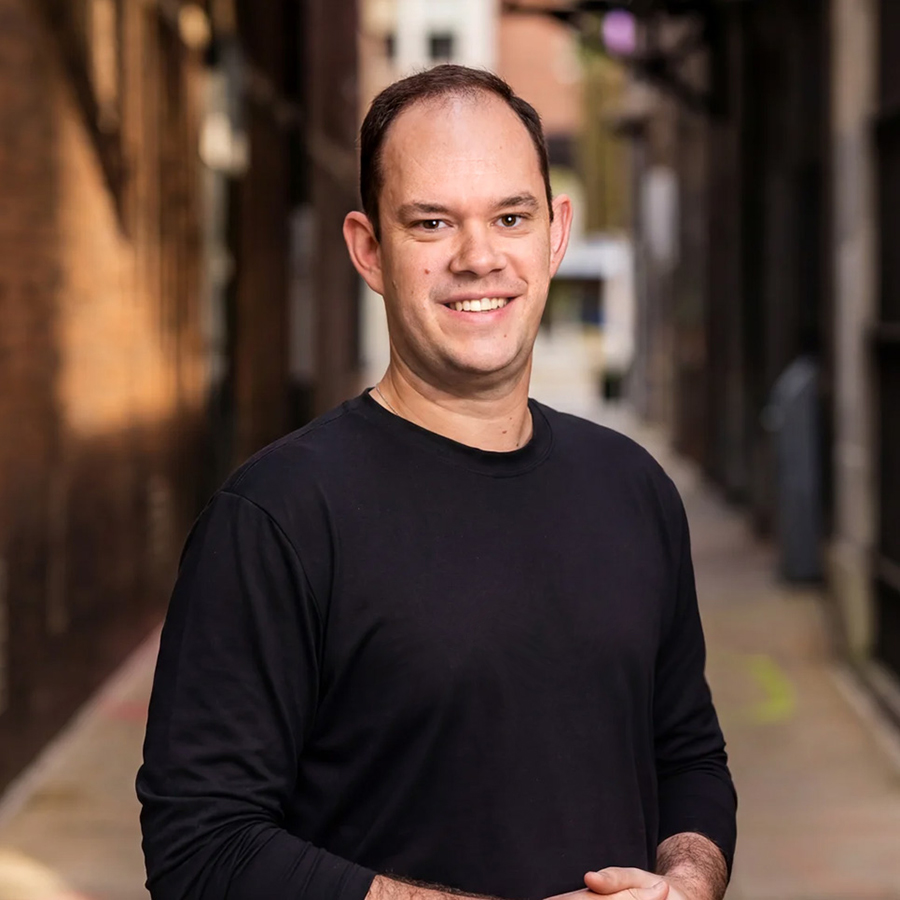
Andrew Lamping
A note from Andrew
Rod, I genuinely appreciate the opportunity to look under the hood at Frame My TV.

We spent real time going through the account, structure, creative, and lifecycle in detail. There is a lot here that is working, and there are also some clear opportunities to tighten things up and get more out of what is already in place.

You will see all of that laid out in this proposal. We kept it focused on what actually drives the business forward.

If we have the chance to work together, you will be working with a team that takes this seriously. We stay grounded in the data, we focus on outcomes, and we put real care into the work.

Thank you again for considering us.

Andrew Lamping
Founder and CEO, Cyclone Social
Where things stand

Strong product.
Structural gaps.

The brand is real, the demand is there. What is limiting performance is not the product. It is the infrastructure built around it.

Strong product and real demand. 140K+ followers, $425 AOV, and a sample program competitors cannot replicate.

Testing is happening, but not producing clear learnings. Most creative variations test minor changes within the same concept rather than meaningfully different ideas.

Structure is limiting scale. Fragmented campaigns, audience overlap, no retargeting, and lifecycle flows that are not fully connected mean performance cannot improve efficiently under current conditions.

This is not a demand problem. It is a system clarity problem.

Meta structure

Two prospecting campaigns, the primary running 19 ad sets with overlapping audiences and minimal creative per set. Right now, it is difficult to identify what is actually working and why. The algorithm does not have enough consolidated signal to learn and optimize efficiently.

Creative testing

Most creative variations are small executional changes within the same idea. Without concept-level tests, it is very hard to understand which message or angle is driving any given result. No retargeting layer exists, so warm traffic exits the funnel unconverted every day.

Lifecycle

This is a one-time purchase product. Welcome and abandon flows carry most of the revenue. Campaign emails are underperforming, which is expected. The SMS channel has 12,680 subscribers generating zero automated flow revenue due to a technical connection failure.

What needs to change
01

Structure needs to be simplified

So data can consolidate and learning can happen faster.

02

Creative needs to be tested at the idea level

Not just small variations. Each test should isolate a different angle, not just a different version.

03

Lifecycle should focus on high-intent triggers

And long-term sequencing, not more volume.

04

Retargeting needs to be introduced

To capture demand that is currently being generated but lost at the bottom of the funnel.

How we handle this

One integrated system.

One system. Shared signal. Shared accountability. Paid, creative, and lifecycle running together, not as three separate programs.

Paid Media + Creative + Lifecycle
PILLAR 01

Creative Engine

We are not trying to test more. We are trying to learn faster.

+
  • Develop new concepts weekly, multiple variations per concept
  • Each test isolates a different angle or idea, not just a version
  • Iterate based on performance, cut fast, scale what works
  • Sample-first and room transformation as primary angles

Meta's performance is now driven by creative signal. That is why testing is structured around different ideas, not just different versions. Our job is to identify what actually works and scale it fast.

PILLAR 02

Media Structure

Rebuilt around how Meta works today.

+
  • Consolidate two campaigns into fewer, cleaner environments
  • Eliminate targeting overlap between ad sets
  • Retargeting and DPA active in week one
  • Blended CAC as the measure of success

The primary campaign runs at roughly $2,000 per day across 19 ad sets with overlapping audiences. Consolidating concentrates spend above the signal threshold Andromeda needs. Retargeting and DPA capture the warm demand prospecting is generating but not closing.

PILLAR 03

Lifecycle Revenue

Lifecycle is not an add-on. It is a core revenue driver in this system.

+
We actively manage and improve flows across email and SMS based on what is actually driving revenue, not just engagement.
Welcome, browse, cart, post-sample, and long-window sequences are continuously optimized.
  • Welcome, browse, cart, and post-sample follow-up sequences
  • Long-window sequencing for a one-time purchase product
  • SMS connection fixed, Abandoned Cart flow restored
  • No discount dependency at any stage

We own the performance of these flows and continuously improve them based on what is actually driving revenue. The Sample-to-Frame flow at $205K all-time is treated as a protected asset through any transition.

PILLAR 04

Decision Layer

Reporting built around outcomes, not platform metrics.

+
  • Blended CAC is the north star
  • Monthly reporting is a conversation, not a dashboard
  • Clear view of what scales, what stalls, what changes
  • Quarterly planning with the full strategic team

The goal is more total revenue at the same CAC. Monthly meetings are led by Emily. We translate the data and tell you what it changes about next month. No dashboard handoffs. No slides for the sake of slides.

This only works if all three parts are connected. Otherwise, performance becomes fragmented.

What working together looks like

Four phases.
Clear ownership.

Phase 01

Rebuild

Fix structure before scaling anything.

  • Meta architecture simplified
  • Retargeting launched
  • Lifecycle cleaned up
Phase 02

Test

Find what actually drives performance.

  • Creative cadence running weekly
  • Concept-level tests in market
  • Klaviyo flows active and measured
Phase 03

Scale

More behind what the data confirms.

  • Budget shifted to retargeting efficiency
  • Sample-to-frame funnel active
  • First QBR with full team
Phase 04

Optimize

Strengthen what is working. Expand LTV.

  • Lifecycle flows expanded
  • Repeat purchase logic built out
  • Quarterly planning rhythm active

Typical week

This is an active system. We are not setting and waiting.

Early week +
  • New creative concepts briefed and developed — each testing a specific angle, not a variation of what already exists
  • Campaign performance from the prior week reviewed; underperformers flagged for cuts
  • Flow performance pulled — revenue per recipient, conversion rate, and drop-off points reviewed
  • Any sequence adjustments identified based on what triggered or stalled the prior week
  • Content planned and drafted for the week ahead, aligned with paid angles that are currently in market
Mid-week +
  • Creative delivered for approval via Slack — approved work goes live same day
  • Budget shifted toward winners; any new ad sets launched based on early signals
  • Campaign sends scheduled and reviewed before deployment
  • Flow edits queued and pushed live once validated
  • Content published and monitored for early engagement signals that can feed into paid creative decisions
Ongoing +
  • Live campaigns checked daily — spend, ROAS, frequency, and creative fatigue all monitored
  • Underperformers cut; budget moved to what is working
  • Flows run continuously — no manual intervention required day to day
  • Deliverability and list health tracked; suppression logic maintained
  • Engagement monitored; top-performing content flagged as potential paid creative input
Weekly call +
  • Short sync with Emily — focused on decisions, not a recap of numbers
  • We come prepared with a clear point of view on what changes and why
  • Paid performance and any creative decisions pending
  • Email and SMS — anything that moved meaningfully
  • Organic signal (if active) and whether anything should be amplified
  • Approvals needed for the week ahead
Weekly

Quick and tactical

Approvals and decisions. Fast and focused.

Monthly

A conversation, not a report

What moved. What it means. What changes.

Quarterly

Planning with the full team

Last 90 days reviewed. Next 90 decided.

If it is not approved, it does not run.
The previous agency lost trust here. We do not make that mistake. Samsung compliance is applied at the brief level. Your approval is explicit and documented every time.

You are not managing us. You are approving direction and staying informed.

Scaling profitably without discounting.

Case Study.

“It never felt like we hired an agency. It felt like we added an in-house marketing team that actually drives things forward.”

$133 → $92
CAC reduced without discounting
9 months
Long-window lifecycle system built
40%+
Hook rates on top-performing creatives
Investment

One clear engagement.

This is a hands-on system built specifically for Frame My TV — across paid, creative, and lifecycle. The goal is to improve efficiency and scale without adding complexity to how you operate.

Core Growth Engagement
$12,000 /mo

Media spend is managed directly through your ad accounts for full transparency. This ensures you maintain full control and visibility at all times.

What is included
  • Paid media strategy and full account management
  • Meta campaign architecture rebuild
  • Retargeting and dynamic product ad programs
  • Creative strategy and weekly production
  • Klaviyo audit, correction, and ongoing optimization
  • SMS activation and flow management
  • Monthly reporting and strategic direction
  • Campaign approval workflow
  • Quarterly business review with full team
  • Samsung compliance at every stage
Optional — Organic Social
+ $2,000 /mo

Total with organic: $14,000/month

  • Content strategy and social planning
  • Consistent content planning, production, and publishing across channels
  • We manage the full organic process, from planning through execution, aligned with what is actually performing
  • Organic-to-paid creative signal loop
  • Creative direction and alignment with UGC and influencer content — working alongside existing partners to ensure content supports performance goals

Ad spend is separate and passes directly to Meta. We recommend maintaining current spend levels during the rebuild phase, then scaling incrementally once retargeting audiences develop.

Your team

People working
on this daily.

Andrew leads strategy. Eric owns paid. Emily is your day-to-day contact. Everyone else runs a defined part of the system. Select anyone to learn more.

Andrew
Andrew Lamping
Founder & CEO
Learn more →
Ryan
Ryan Smith
Director, Marketing Ops
Learn more →
Emily
Emily Hoffman
Senior Account Manager
Learn more →
Eric
Eric Hall
Director of Paid Media
Learn more →
Wes
Wes Teska
Creative Director
Learn more →
Joey
Joey Lamping
Paid Ad Strategist
Learn more →
Jada
Jada Shaw
Project Manager
Learn more →
Bob
Bob Phillipp
Director of Organic Marketing
Learn more →
Case Study — Seven Sons Farm

Scaling profitably without discounting.

Seven Sons Farm is a premium direct-to-consumer brand with a loyal customer base and a product that earns strong reviews. The business was growing, but the cost to acquire customers was creeping up and the paid and lifecycle channels were operating independently with no shared signal.

  • Premium brand with strong product-market fit
  • CAC needed to stay under $120 to maintain healthy margins
  • Growth required discipline, not just more spend

We treated this like a system, not a campaign.

  • Mapped the full customer journey from first touch to repeat purchase
  • Aligned paid and lifecycle so they shared signal and worked together
  • Built campaigns around buyer behavior and intent, not broad audiences

Hundreds of creative iterations, each built to answer a specific question about what drives performance.

  • Tested at the concept level, not just executional variation
  • Tracked hook rate, CTR, and conversion on every test
  • Scaled winners quickly, cut underperformers at 7 to 10 days
Top creatives reached 40%+ hook rates.
  • Built a 9-month email flow system covering the full post-purchase window
  • 50+ flow variations segmented by behavior and purchase history
  • Sequencing built around high-intent moments, not broadcast volume

This increased repeat purchase rate and strengthened LTV without relying on discounts at any stage.

  • Daily performance monitoring across paid and lifecycle
  • Margin-aware decision making at every budget allocation point
  • Continuous iteration based on signal, not scheduled reviews
No guesswork. Everything tied to performance.
18%
Decrease in customer acquisition cost
124,000
New visitors driven
22% → 36%
Brand recall improvement
↑ AOV
Higher average order value and purchase frequency
This system continues to improve over time.
Blaine

“It never felt like we hired an agency. It felt like we added an in-house marketing team that actually drives things forward.”

Blaine Hitzfield — CEO, Seven Sons Farm
Full audit breakdown

Supporting evidence.

The detail behind the diagnosis. Each section follows the same structure: what it looks like, what is actually happening, and why it matters.

Meta Ads
38 /100 Critical
What it looks like
  • Two prospecting campaigns running simultaneously
  • Many ad sets targeting very similar audiences
  • Limited creative variation within each ad set
  • No retargeting layer of any kind
What is actually happening

Testing is happening, but it is not producing clear learnings. Most creative variations are small changes within the same idea, which makes it difficult to understand what is actually driving performance. As a result, Meta is not getting strong signals, and performance becomes inconsistent.

Why it matters

This makes it harder to scale efficiently and identify what should be doubled down on. Without clear signal, budget increases will produce diminishing returns.

Scorecard
Campaign Structure20/100
Creative Testing25/100
Retargeting15/100
Dynamic Product Ads10/100
Budget Allocation55/100
Creative Direction60/100
Detail

The primary Premier and Slim campaign runs at approximately $2,000 per day across 19 ad sets. The Samples campaign adds roughly $250 per day. Many of the 19 ad sets are targeting overlapping audiences, which means they are competing with each other for the same buyers rather than reaching meaningfully different segments.

Creative testing is occurring, but most variations are minor changes within the same concept. This is not the same as testing different ideas. Without concept-level tests, it is very difficult to understand which message or angle is driving any given result.

There is no retargeting layer. Every dollar is targeting cold audiences. People who have visited the site, viewed specific products, or added to cart are leaving the funnel without any paid follow-up. The post-sample audience, among the warmest in the account, also has no dedicated campaign.

The sample program is a genuine creative advantage. Showing real frames in real homes from customers who already held the product is a format competitors cannot replicate. The creative potential here is strong. The structure around it is not yet built to take advantage of it.

Klaviyo — Email and SMS
61 /100 Opportunity
The honest read

Lifecycle is doing some of the work, but it is not being used as a system yet.

Most of the revenue is coming from a small number of flows, with clear opportunity to expand impact. The foundation is real — core flows exist, SMS is active, and the Sample-to-Frame sequence is one of the strongest assets in the account. The gap is in how everything connects and what happens in between the obvious moments.

What strong lifecycle execution looks like here
  • Clear sequencing from sample to purchase — not isolated flows operating independently
  • Messaging that answers objections and reduces friction, not just reminders to buy
  • Segmentation built around intent and behavior, not just trigger-based timing
On abandoned cart

Abandoned cart is functioning, but it is not the primary growth lever for this type of product. For a high-consideration purchase at this price point, performance comes from how the sequence builds trust, reduces friction, and reinforces the decision over time. The most consistent improvements we see come from three places: reinforcing confidence around delivery, fit, and returns; personalizing based on cart value or browsing behavior; and using SMS as a timely complement to email, not a duplicate of it.

Scorecard
Flow Architecture62/100
Campaign Cadence55/100
List Health65/100
Deliverability82/100
SMS Integration50/100
Revenue Strategy60/100
Detail

Welcome and abandon flows are carrying most of the lifecycle revenue, which is expected. For a one-time purchase product, broadcast campaigns will always be a secondary driver. The real opportunity is in the quality of the sequences that run between first touch and purchase — and how well they hold attention in a long consideration window.

SMS exists and the subscriber list is meaningful in size. The integration between SMS and email is not yet being used to its potential. The channel is most valuable as a precision tool — arriving at the right moment with a short, specific message — not as a parallel broadcast layer.

The Sample-to-Frame flow is the strongest asset in the lifecycle system and a true competitive advantage. $205K all-time at $13.20 RPR. No competitor can build this flow because no competitor offers physical samples. This should be expanded, not just maintained. There is real upside in increasing the trigger audience size and tightening the sequence timing based on how the sample-to-purchase window actually behaves.

List health and deliverability are in solid shape. That is a real asset — it means there is room to do more without risking sender reputation. The foundation is there to support a more sophisticated system without rebuilding from scratch.

Ready when you are

If this is the
direction, let's
build it right.

The gaps are identified. The plan is clear. The only variable is when we start.

Direct line to Andrew
Our goal is simple: run this in a way that makes performance clear, scalable, and easy to trust.